
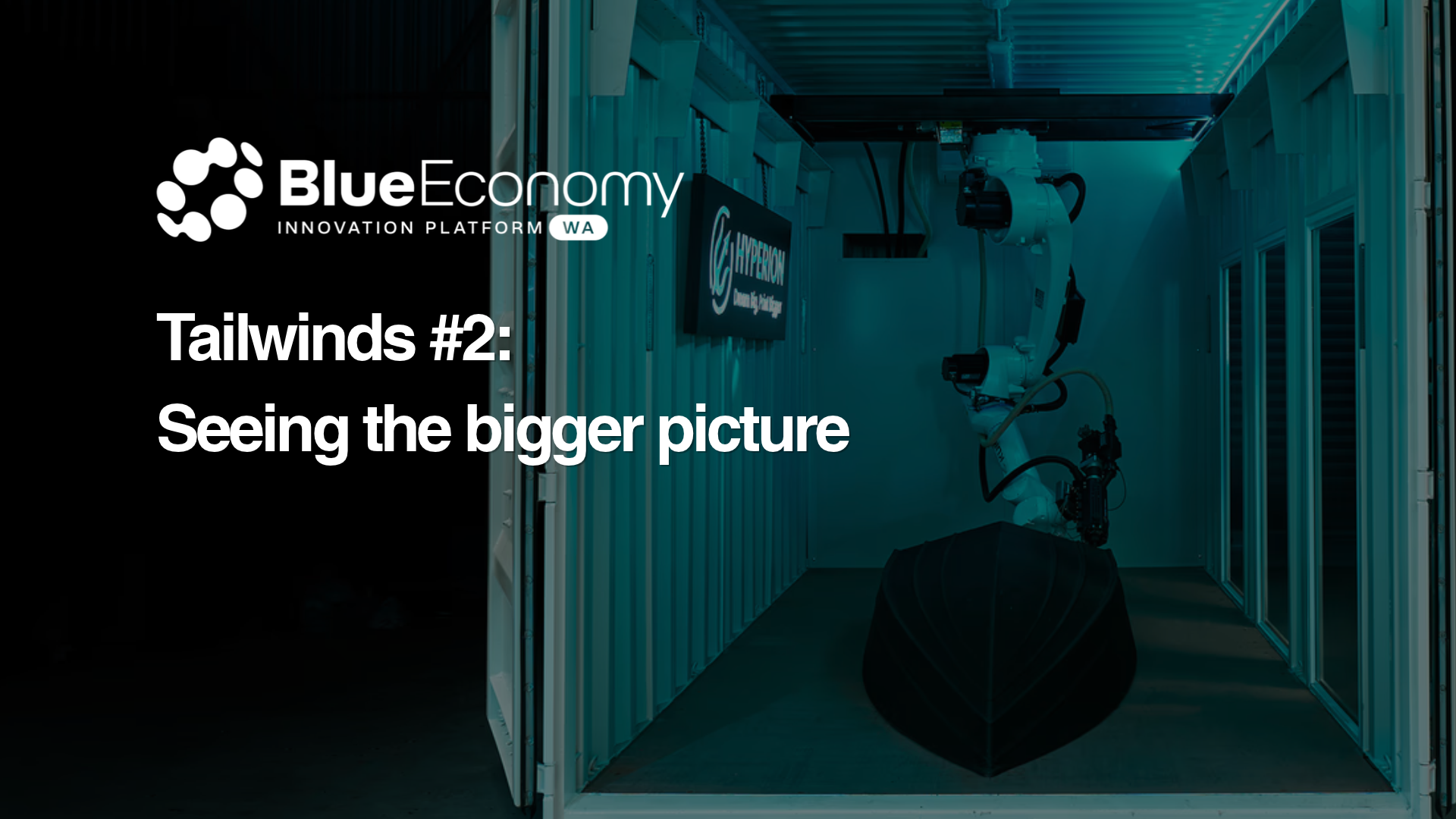
For many innovators, the hardest part is not building the technology. It is figuring out what the technology can become.
Perth-based Hyperion Systems is a local example of this challenge. Founded in 2021 by Joshua Wigley, the company specialises in large-scale 3D printing, recycled materials and portable manufacturing systems.
Today, it is helping redefine what advanced manufacturing can look like across marine, maritime, industrial and defence sectors.
But the journey was never simply about better technology. It was also about finding the right opportunities, partnerships, funding pathways and markets.
The challenge isn’t the tech
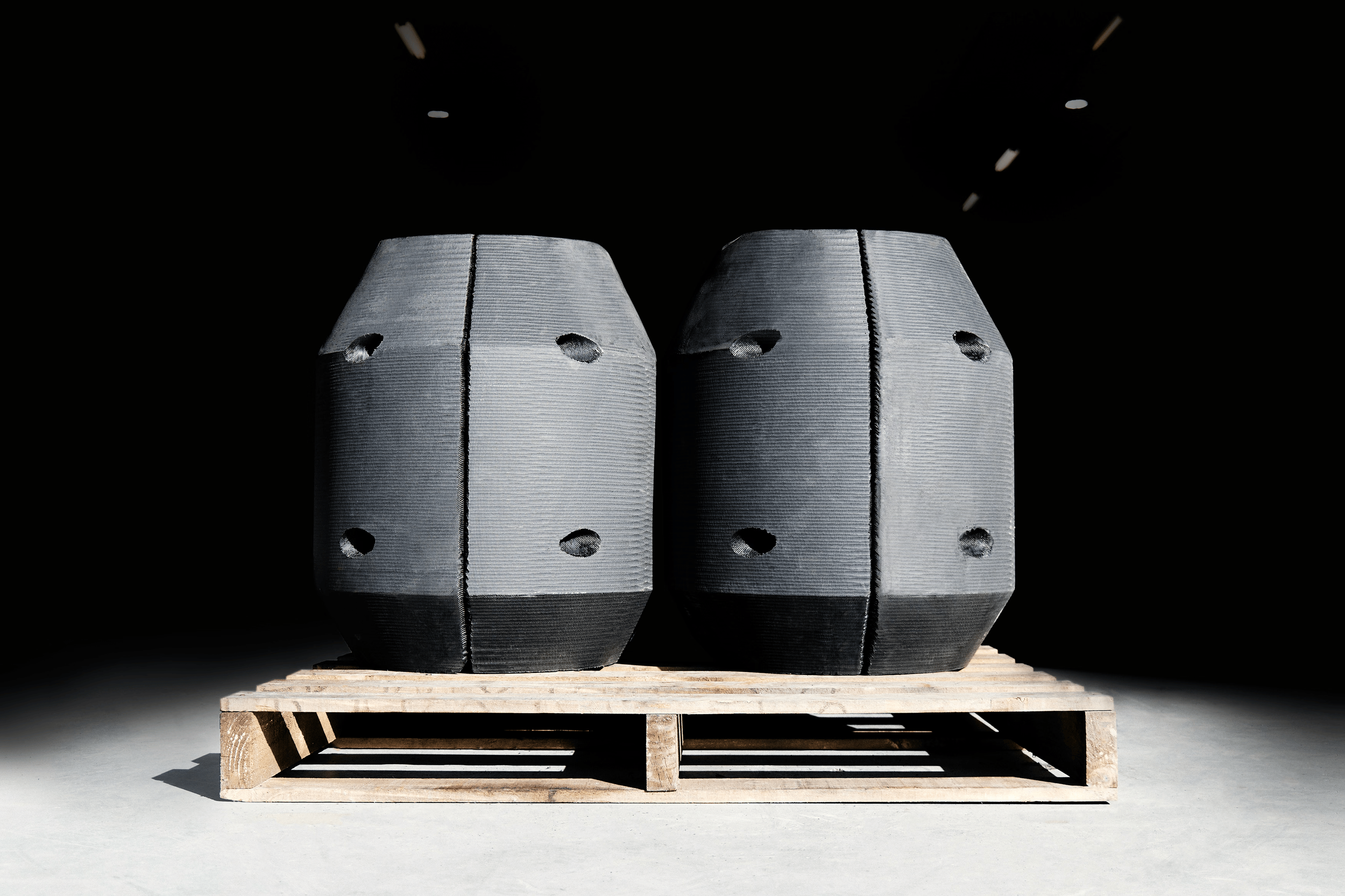
Like many technology ventures, Hyperion faced a problem common to innovation businesses: investors, customers and partners often struggled to understand exactly what they were looking at.
Was Hyperion a recycling company? A 3D printing company? An advanced manufacturer? A maritime technology business? A future defence supplier?
The answer could well be “all of the above”, which created exciting opportunities, but also additional complexity.
With limited resources, founders such as Joshua face difficult decisions. Which markets should come first? Which funding pathways align with the business? Which partnerships accelerate growth? How should sustainability be positioned?
Turning circular economy into commercial opportunity
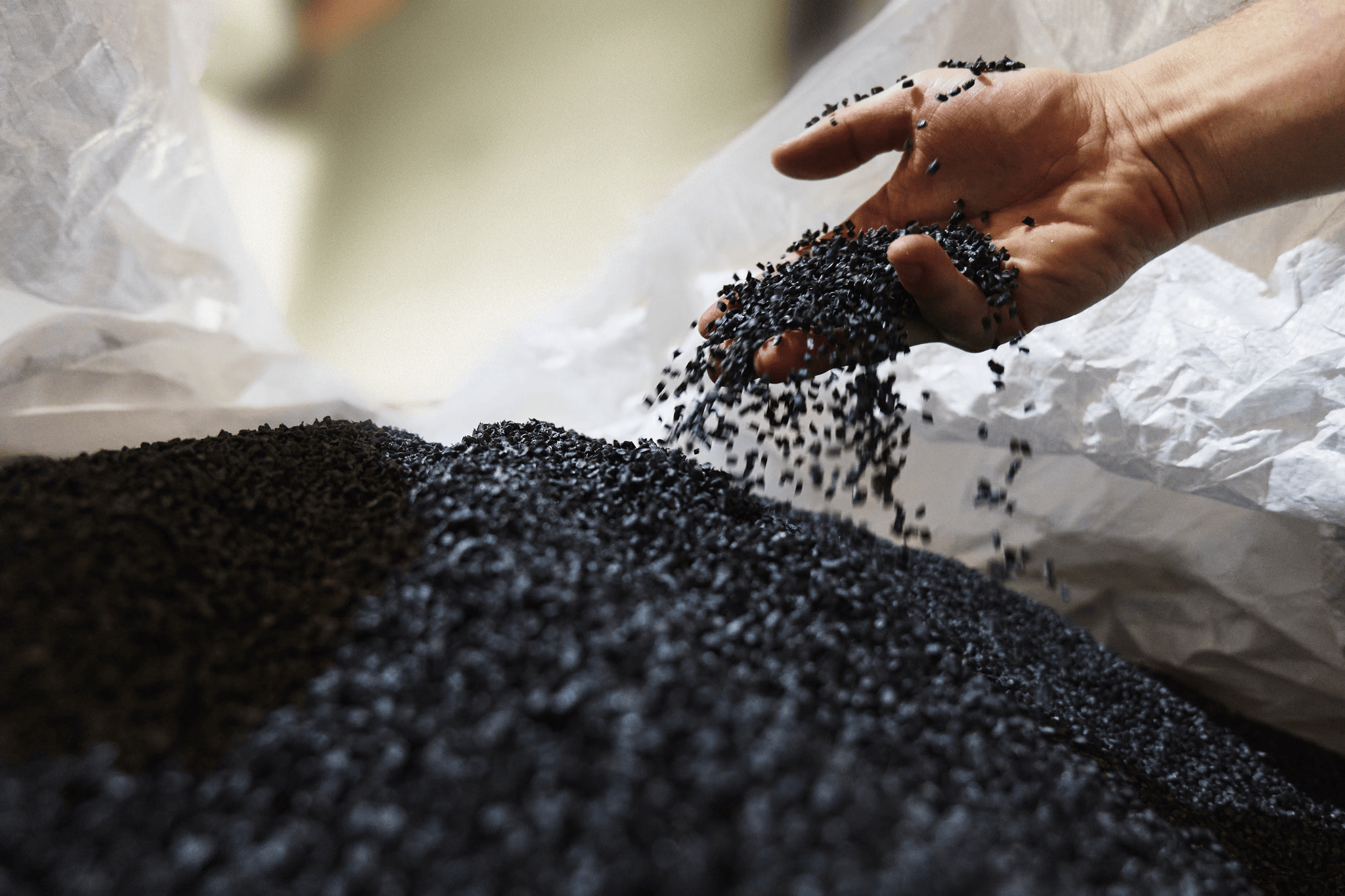
Through the Gravity program, and with support from partners including For Blue, JTSI, City of Cockburn and Meshpoints, Hyperion accessed support designed to answer exactly those questions.
The company received guidance to:
Assess strengths and priorities
Refine investor engagement strategies
Explore potential international collaborations
Strengthen its sustainability positioning.
For Hyperion, this combination of support, strategic clarity and execution helped reveal a much larger opportunity.
What could be used for remote industrial production could also support maritime industries.
What worked for maritime industries could support defence applications.
What solved logistical challenges in one industry could help build sovereign capability in another.
This evolution towards dual-use positioning reflects a growing trend across Western Australia's innovation ecosystem. Governments, investors and industry are increasingly looking for technologies capable of creating value across multiple sectors, particularly where advanced manufacturing, logistics, resilience and national capability intersect.
Milestones that changed the conversation
After clarifying its direction, Hyperion’s trajectory has been impressive. Hyperion secured strategic investment from Melt Ventures and completed a $1 million seed round.
In 2025, the company secured a $385,000 matched-funding grant through the Australian Government's Industry Growth Program to accelerate commercialisation of its containerised "Factory-in-a-Box" manufacturing platform.
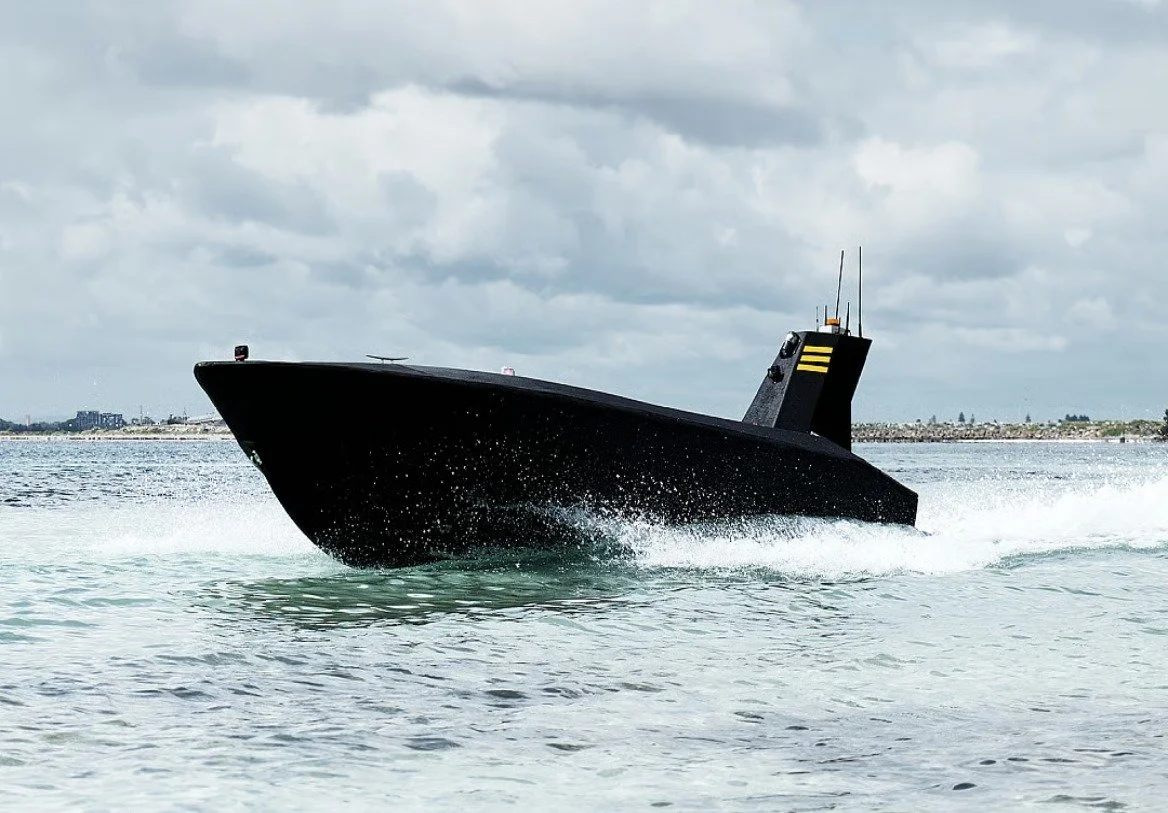
The company also attracted national attention through development of the ASTRA 460, recognised as the Southern Hemisphere's first 3D-printed uncrewed surface vessel. Developed alongside Greenroom Robotics, the vessel's 4.6-metre hull was produced in approximately 40 hours using recycled polymer materials.
Along the way, Joshua earned recognition through the Forbes 30 Under 30 Technology list and the Young Innovator Award at the Indo Pacific Maritime Exposition.
What this means for innovators now
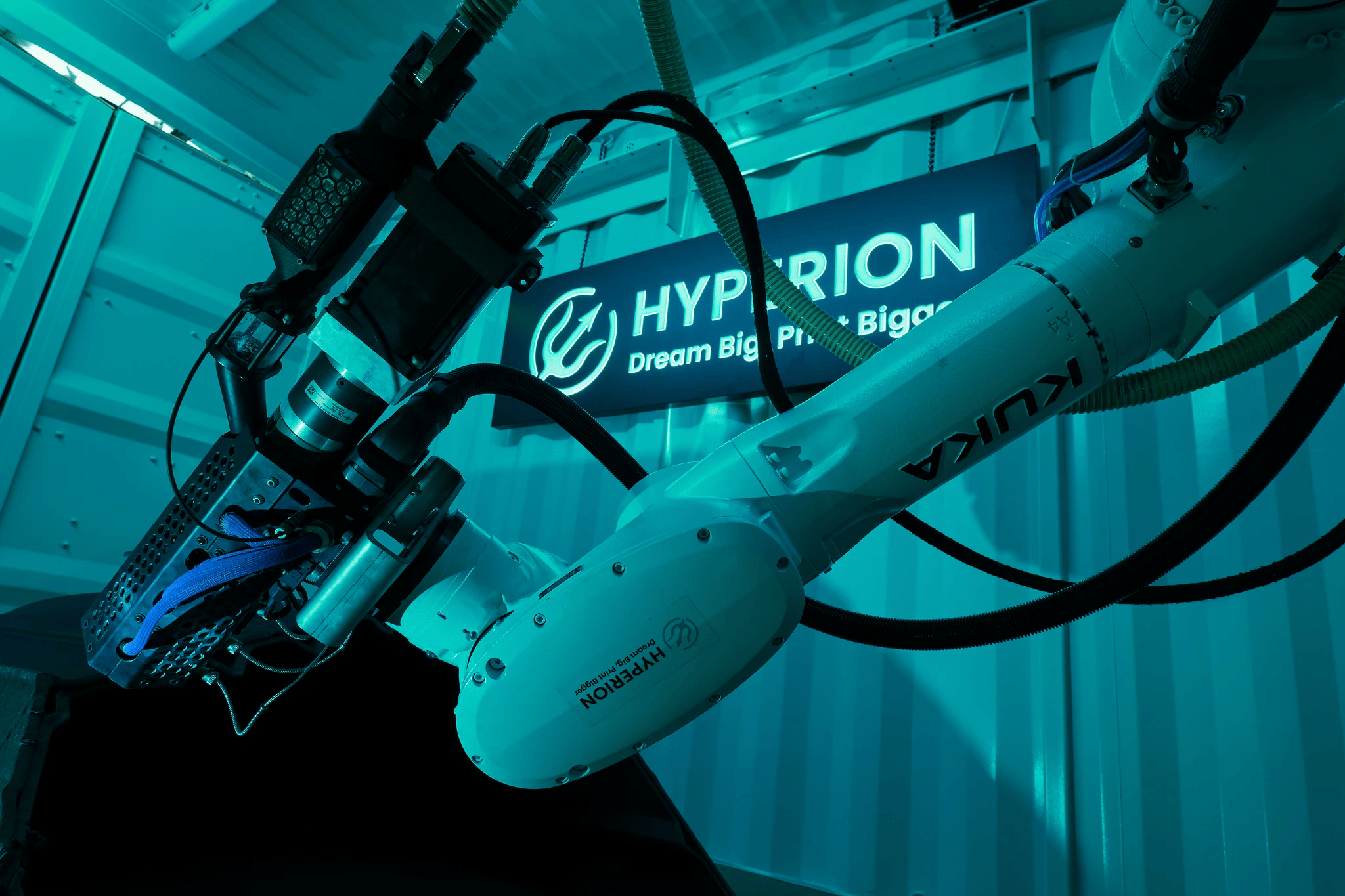
Hyperion's growth demonstrates that successful innovation requires more than strong technology.
It requires access to relationships, expertise, customers, investors and opportunities that help turn technical capability into commercial outcomes.
The company's journey from manufacturing startup to dual-use manufacturing venture shows how important positioning, partnerships and strategic navigation can be.
For innovators, that means spending more time focused on the problems they are uniquely qualified to solve and less time trying to navigate everything else.
About Blue Economy Innovation Platform WA (BEIP WA)
Blue Economy Innovation Platform WA is the first initiative of the Blue Economy Innovation Hub AUS. Its purpose is to strengthen Western Australia's position as a global hub for developing, deploying and scaling technologies that solve global marine, maritime and naval challenges.
BEIP WA provides a single point of entry for innovators, investors, industry and government to connect, collaborate and grow. Support runs across four pathways: Gravity, the entry point; Propel, the accelerator; Dock, a bridge to global markets; and Growth, the community and events program. Ventures at any stage are welcome, including those based outside Australia.
Submit an expression of interest in five minutes: https://www.bei.org.au/western-australia/eoi
Learn more about BEIP WA: bei.org.au
BEIP WA is delivered by Ocean Impact Organisation, For Blue, and The University of Western Australia, with the support of the Department of Energy and Economic Diversification, The Hub on SX, City of Cockburn, City of Fremantle, Australian Trade and Investment Commission (Austrade), and City of Rockingham.
